
Introduction
Fashion is more than just clothing. It is a way of expressing personality, confidence, and creativity through appearance. The way people dress often creates a first impression and can influence how they are perceived in social and professional settings. While fashion trends change frequently, having a strong understanding of timeless fashion tips can help anyone develop a personal style that remains attractive and practical.
Many people believe that looking fashionable requires expensive clothing or designer brands. In reality, good style is more about choosing the right pieces, understanding body proportions, and learning how to combine colors and accessories effectively. Even a simple outfit can look elegant when styled properly.
Fashion tips are useful for beginners who want to improve their appearance and for intermediate fashion enthusiasts looking to refine their wardrobe choices. By following practical styling principles, individuals can create outfits that suit different occasions, seasons, and personal preferences.
This guide explores essential fashion tips, explains their importance, and provides a step-by-step approach to building a stylish wardrobe. Whether you want to dress better for work, social events, or daily life, these insights will help you make smarter fashion decisions while staying comfortable and confident.
What is Fashion Tips?
Fashion tips are practical recommendations and styling guidelines that help people improve their appearance through clothing, accessories, footwear, and grooming choices. These suggestions focus on selecting outfits that suit individual body types, personalities, lifestyles, and occasions.
Fashion tips can cover many areas, including color coordination, wardrobe organization, seasonal dressing, fabric selection, and accessorizing. Their purpose is to simplify style decisions and help individuals create balanced and attractive looks.
Unlike short-lived trends, many fashion tips are timeless. They focus on principles that remain effective regardless of changing styles. Learning these principles helps people make better purchasing decisions and build wardrobes that provide long-term value.
Why is Fashion Tips Important?
Fashion tips are important because they help people present themselves confidently and appropriately in different situations. Clothing often influences first impressions, making personal style a valuable aspect of communication.
A strong understanding of fashion can also save money. Instead of purchasing random items that rarely get used, individuals can invest in versatile pieces that work together effectively.
Fashion tips encourage self-confidence by helping people feel comfortable in what they wear. When someone feels good about their appearance, it often reflects in their posture, communication, and overall attitude.
Additionally, fashion knowledge reduces wardrobe stress. People spend less time deciding what to wear because they understand how to create coordinated outfits quickly and efficiently.
Detailed Step-by-Step Guide
Step 1: Understand Your Body Type
Every person has a unique body shape. Understanding your proportions allows you to choose clothing that enhances your best features.
For example:
- Rectangle body shapes benefit from adding definition to the waist.
- Pear-shaped bodies often look balanced with detailed tops.
- Athletic body types can create curves through layering.
Knowing your body type helps make shopping easier and more effective.
Step 2: Build a Strong Wardrobe Foundation

A versatile wardrobe begins with essential items that can be mixed and matched.
Examples include:
- White button-down shirt
- Dark jeans
- Neutral blazer
- Black trousers
- Comfortable sneakers
- Classic dress shoes
These basics provide countless outfit combinations and remain fashionable for years.
Step 3: Learn Color Coordination
Understanding colors is one of the most valuable fashion tips.
Neutral colors such as black, white, navy, gray, and beige are easy to combine. Once comfortable with neutrals, individuals can introduce accent colors to create visual interest.
For example, a navy blazer paired with a light blue shirt and beige trousers creates a balanced and sophisticated appearance.
Step 4: Choose Proper Fit
Even expensive clothing can look unattractive if it does not fit properly.
Pay attention to:
- Shoulder alignment
- Sleeve length
- Trouser length
- Waist fit
- Overall comfort
Tailoring can significantly improve the appearance of garments and create a polished look.
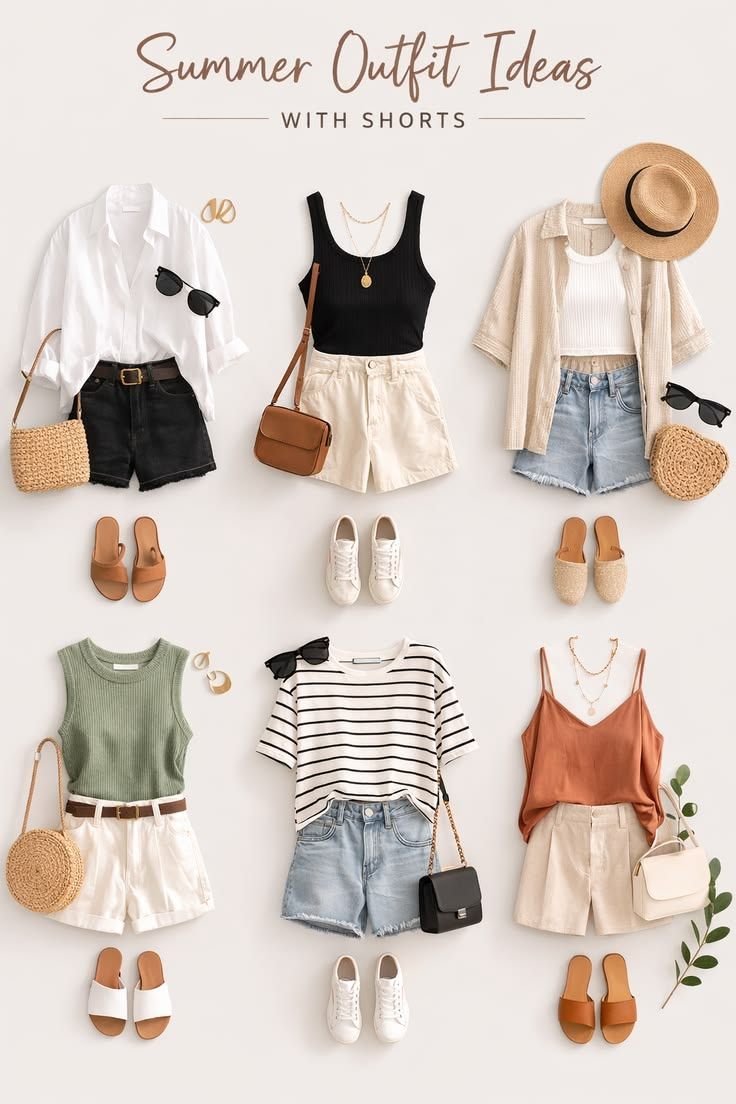
Step 5: Accessorize Wisely
Accessories can elevate simple outfits without overwhelming them.
Popular accessories include:
- Watches
- Belts
- Scarves
- Sunglasses
- Jewelry
- Handbags
The key is moderation. Too many accessories may create a cluttered appearance.
Step 6: Dress for the Occasion
Different events require different styles.
Examples include:
- Business meetings: Professional attire
- Casual outings: Relaxed and comfortable clothing
- Weddings: Elegant and formal outfits
- Outdoor activities: Practical and weather-appropriate garments
Understanding dress codes prevents fashion mistakes and improves confidence.
Step 7: Adapt to Seasonal Changes
Seasonal dressing improves both comfort and style.
Spring often features lighter fabrics and soft colors. Summer requires breathable materials. Autumn encourages layering, while winter focuses on warmth and structured outerwear.
Adjusting your wardrobe according to weather conditions ensures practicality without sacrificing style.
Benefits of Fashion Tips
- Improves personal confidence
- Creates positive first impressions
- Simplifies wardrobe decisions
- Saves money through smarter purchases
- Enhances professional appearance
- Encourages creativity and self-expression
- Helps build a versatile wardrobe
- Reduces unnecessary shopping
- Supports better grooming habits
- Increases comfort through proper clothing choices
Disadvantages / Risks
- Following trends excessively can become expensive
- Fashion pressure may lead to unnecessary spending
- Trend-focused shopping can create cluttered wardrobes
- Comparing styles with others may reduce confidence
- Poor fashion advice can result in unsuitable purchases
- Over-accessorizing can negatively affect overall appearance
- Constant wardrobe updates may become financially challenging
Common Mistakes to Avoid
One common mistake is prioritizing trends over personal style. Not every trend suits every individual, so understanding personal preferences remains essential.
Another mistake is purchasing clothing without considering versatility. Many people buy attractive items that do not match anything else in their wardrobe.
Ignoring proper fit is also a major issue. Clothes that are too loose or too tight rarely create a polished appearance.
Poor color coordination can reduce the effectiveness of otherwise attractive outfits. Learning basic color combinations helps prevent this problem.
Many individuals also neglect grooming. Fashion is not only about clothing. Haircare, skincare, and personal hygiene contribute significantly to overall appearance.
Finally, impulse shopping often leads to wasted money and unused garments. Planning purchases carefully creates a more functional wardrobe.
FAQs
1. How can beginners improve their fashion sense?
Beginners should start by understanding their body type, choosing versatile wardrobe basics, and learning simple color combinations. Consistent practice gradually improves styling skills.
2. Do I need expensive clothes to look fashionable?
No. Style depends more on fit, coordination, and confidence than price. Affordable clothing can look excellent when selected and styled properly.
3. How often should I update my wardrobe?
Wardrobes do not need constant replacement. Seasonal evaluations help identify necessary additions while maintaining a balanced collection of clothing.
4. What colors work best for most people?
Neutral shades such as black, white, navy, gray, and beige are universally versatile. These colors combine easily with brighter accent shades.
5. Are fashion trends important?
Trends can provide inspiration, but they should not dominate wardrobe decisions. Personal style and practicality should remain priorities.
6. How can I make simple outfits look better?
Adding structured layers, choosing proper fit, wearing clean footwear, and using tasteful accessories can dramatically improve simple outfits.
Expert Tips & Bonus Points
Invest in quality basics before purchasing trend-focused pieces. A strong wardrobe foundation offers greater flexibility and long-term value.
Create a capsule wardrobe with versatile items that can be mixed and matched easily. This approach simplifies daily outfit selection.
Pay attention to fabric quality. Natural materials often provide better comfort and durability than low-quality alternatives.
Take photos of successful outfit combinations. This creates a personal style reference that saves time when dressing.
Maintain clothing properly through regular cleaning, ironing, and storage. Well-maintained garments always appear more polished.
Confidence remains one of the most powerful fashion tools. Even the best outfit loses impact if worn without self-assurance.
Conclusion
Fashion tips provide practical guidance for improving appearance, confidence, and personal style. They help individuals make informed choices about clothing, accessories, and grooming while avoiding common mistakes. Rather than focusing solely on trends, effective fashion advice encourages people to build wardrobes that reflect their personalities and support their lifestyles.
Understanding body type, selecting proper fits, coordinating colors, and investing in versatile basics are among the most valuable principles anyone can learn. These strategies simplify outfit planning and create a more organized approach to dressing.
Fashion should be viewed as a tool for self-expression rather than a source of pressure. By focusing on comfort, confidence, and thoughtful styling decisions, people can create looks that feel authentic and attractive. Whether dressing for work, social events, or everyday activities, applying these fashion tips consistently can lead to lasting improvements in both appearance and self-confidence.
As style continues to evolve, timeless principles remain relevant. Developing a strong foundation allows individuals to adapt to new trends while maintaining a personal identity. With patience, observation, and practice, anyone can build a wardrobe that looks polished, feels comfortable, and supports a confident lifestyle.