
Introduction
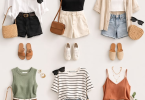
Seasonal Fashion plays an important role in helping people stay comfortable, stylish, and confident throughout the year. As weather conditions change from season to season, clothing choices also evolve to match temperature, lifestyle, and current trends. Whether it is lightweight clothing for summer or layered outfits for winter, Seasonal Fashion allows individuals to balance functionality and style.
Fashion is no longer just about looking good. It is also about choosing the right fabrics, colors, and accessories that suit the season. By understanding seasonal trends, people can build a versatile wardrobe that works all year long. This approach helps reduce unnecessary spending while ensuring that outfits remain practical and fashionable.
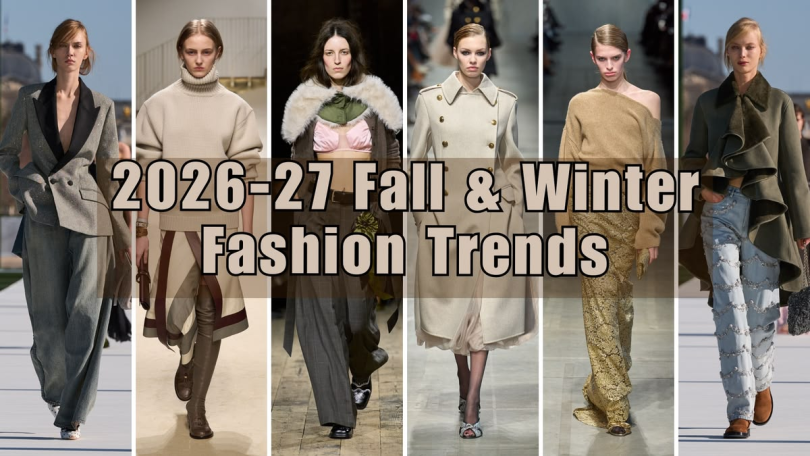
In recent years, Seasonal Fashion has become increasingly popular because consumers are paying more attention to comfort, sustainability, and personal style. Fashion brands regularly introduce collections designed for specific seasons, making it easier to discover fresh ideas and update wardrobes accordingly.
This guide will explain what Seasonal Fashion is, why it matters, how to follow it effectively, and the benefits and challenges associated with it. Whether you are a beginner or someone looking to improve your fashion sense, this article will provide valuable insights and practical advice.
What is Seasonal Fashion?
Seasonal Fashion refers to clothing styles, colors, fabrics, and accessories that are designed to suit specific seasons of the year. These seasons typically include spring, summer, autumn, and winter.
Fashion trends often change according to weather conditions and consumer preferences. For example, breathable cotton fabrics are popular during summer, while wool and layered clothing dominate winter collections. Seasonal Fashion helps people adapt their wardrobe to changing temperatures while maintaining a stylish appearance.
The concept goes beyond simply wearing warm or cool clothing. It also involves choosing colors, patterns, and designs that reflect the mood and atmosphere of a particular season. Bright floral prints may be associated with spring, while darker earthy tones are commonly seen during autumn.
Why is Seasonal Fashion Important?
Seasonal Fashion is important because it combines comfort, practicality, and style. Wearing clothing that matches the weather helps regulate body temperature and improves overall comfort.
Another reason Seasonal Fashion matters is that it allows people to stay updated with current trends. Following seasonal styles can boost confidence and help individuals express their personality through clothing choices.
Additionally, seasonal dressing encourages smarter shopping habits. Instead of buying random items, consumers can invest in pieces that work well during specific times of the year.
Seasonal Fashion also supports professional and social appearances. Dressing appropriately for the season often creates a positive impression and demonstrates attention to detail.
Detailed Step-by-Step Guide
Step 1: Understand Seasonal Weather Conditions
The first step is understanding the climate in your area. Weather plays a major role in determining which fabrics, colors, and outfit combinations are most suitable.
For example:
- Summer requires lightweight and breathable materials.
- Winter requires insulation and layering.
- Spring benefits from versatile clothing.
- Autumn often calls for transitional outfits.
Step 2: Build a Seasonal Wardrobe Foundation
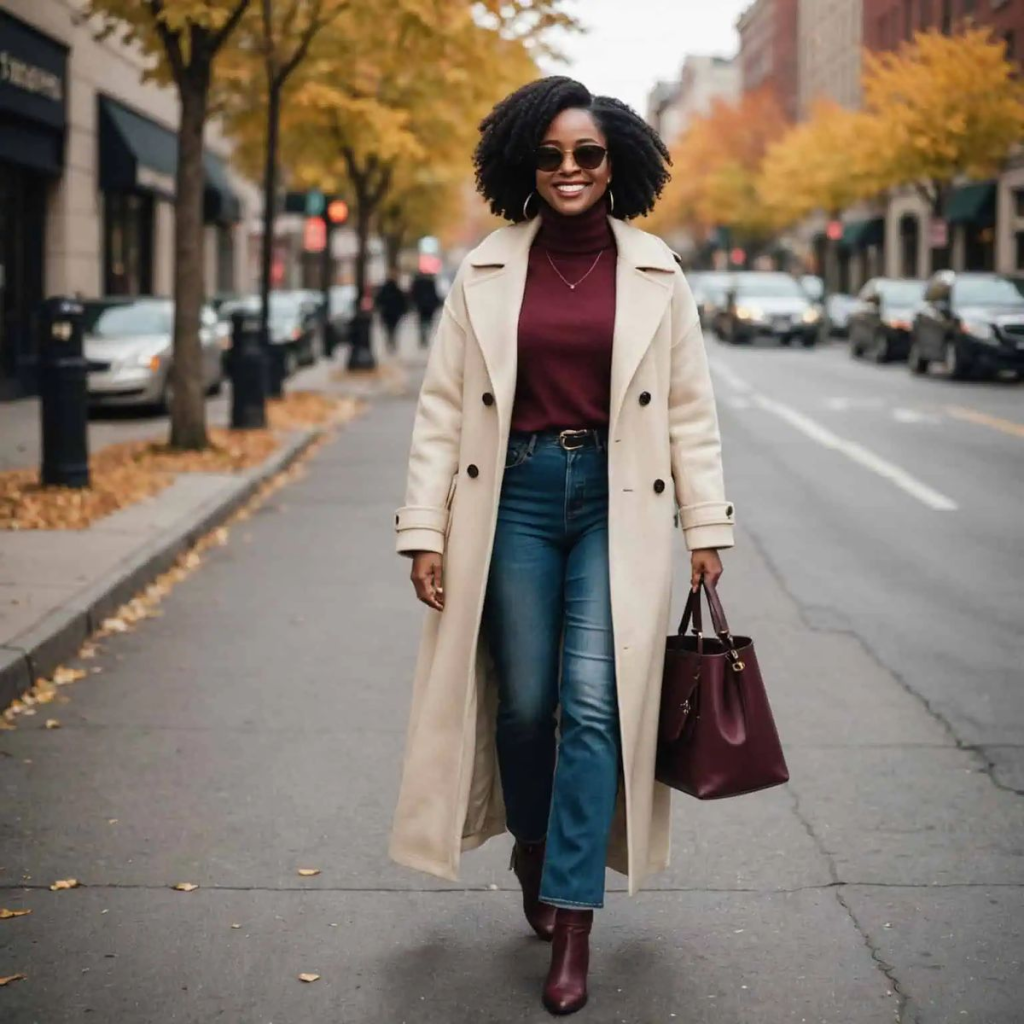
Create a collection of essential clothing pieces for each season.
Summer essentials:
- Cotton T-shirts
- Shorts
- Linen shirts
- Comfortable sandals
Winter essentials:
- Jackets
- Sweaters
- Scarves
- Boots
Having seasonal basics makes outfit planning easier and more efficient.
Step 3: Choose Appropriate Fabrics
Fabric selection is one of the most important aspects of Seasonal Fashion.
Popular seasonal fabrics include:
- Cotton for summer
- Linen for warm climates
- Wool for winter
- Denim for multiple seasons
- Fleece for cold weather
Selecting suitable fabrics improves comfort and durability.
Step 4: Focus on Seasonal Colors
Colors often reflect seasonal themes.
Common seasonal color choices include:
- Spring: Pastels and soft shades
- Summer: Bright and vibrant tones
- Autumn: Brown, orange, and olive
- Winter: Black, gray, navy, and burgundy
Using seasonal colors can instantly refresh your appearance.
Step 5: Layer Clothing Effectively
Layering is especially useful during changing weather conditions.
A basic layering approach includes:
- Base layer
- Middle insulating layer
- Outer protective layer
This method provides flexibility and comfort throughout the day.
Step 6: Accessorize According to the Season
Accessories complete seasonal outfits.
Examples include:
- Sunglasses during summer
- Scarves during winter
- Hats during spring
- Leather accessories during autumn
The right accessories enhance both style and functionality.
Step 7: Follow Trends Selectively
Not every trend will suit your lifestyle or body type. Choose seasonal trends that complement your personal preferences and practical needs.
A balanced wardrobe combines timeless pieces with a few trend-focused items.
Benefits of Seasonal Fashion
Seasonal Fashion offers several advantages:
- Improves comfort throughout the year
- Helps maintain a stylish appearance
- Encourages organized wardrobe planning
- Supports smarter purchasing decisions
- Enhances confidence and self-expression
- Allows better adaptation to weather conditions
- Promotes creative outfit combinations
- Reduces unnecessary clothing clutter
- Improves professional presentation
- Helps individuals stay current with fashion trends
Disadvantages / Risks
While Seasonal Fashion has many benefits, there are also some challenges:
- Frequent trend changes may increase spending
- Storage space may be required for seasonal clothing
- Trend-focused shopping can lead to impulse purchases
- Some seasonal items have limited usage periods
- Fashion pressure may encourage unnecessary consumption
- High-quality seasonal clothing can be expensive
- Trends may not suit everyone equally
Being aware of these risks helps consumers make better decisions.
Common Mistakes to Avoid
One common mistake is purchasing clothing solely because it is trendy. Fashion should align with comfort, practicality, and personal style.
Another mistake is ignoring fabric quality. Even attractive clothing may become uncomfortable if the material does not suit the season.
Many people also fail to plan their wardrobe in advance. This often results in last-minute purchases and unnecessary expenses.
Over-accessorizing is another issue. Too many accessories can make an outfit appear cluttered rather than stylish.
Ignoring proper fit can also negatively affect appearance. Regardless of current trends, well-fitted clothing generally looks more polished and flattering.
Finally, some individuals neglect wardrobe maintenance. Proper storage and care help seasonal clothing last longer and maintain its appearance.
FAQs
1. What is the purpose of Seasonal Fashion?
The purpose of Seasonal Fashion is to help people dress appropriately for changing weather conditions while maintaining style, comfort, and functionality.
2. How often do seasonal fashion trends change?
Fashion trends typically change every season, although some styles remain popular for several years due to their timeless appeal.
3. Is Seasonal Fashion expensive?
It does not have to be expensive. Building a wardrobe around versatile essentials can help reduce costs while still following seasonal trends.
4. Which fabrics are best for summer?
Cotton and linen are among the most popular summer fabrics because they are lightweight, breathable, and comfortable in warm temperatures.
5. Why is layering important during colder seasons?
Layering provides insulation, flexibility, and protection from changing weather conditions. It also allows easy adjustment throughout the day.
6. Can Seasonal Fashion be sustainable?
Yes. Consumers can choose durable clothing, invest in timeless pieces, and reduce unnecessary purchases to make seasonal dressing more sustainable.
7. How can beginners start following Seasonal Fashion?
Beginners should focus on understanding weather needs, purchasing basic essentials, selecting appropriate fabrics, and gradually experimenting with seasonal trends.
Expert Tips & Bonus Points
Start by investing in wardrobe essentials rather than purchasing every new trend. Quality basics provide a strong foundation for seasonal styling.
Pay attention to fabric composition before buying clothing. Comfortable materials often provide better value over time.
Create a seasonal wardrobe checklist to identify gaps and avoid duplicate purchases.
Consider versatility when shopping. Items that can be styled in multiple ways offer greater value and flexibility.
Keep accessories simple and functional. Well-chosen accessories can elevate an outfit without overwhelming it.
Monitor seasonal sales strategically. Purchasing quality items during off-season discounts can help save money.
Experiment with colors gradually. Small changes in color palettes can refresh your wardrobe without requiring major investments.
Most importantly, focus on personal comfort and confidence. Fashion trends come and go, but authentic style remains timeless.
Conclusion
Seasonal Fashion is much more than following trends. It is a practical approach to dressing that combines comfort, functionality, and personal expression throughout the year. By understanding how weather, fabrics, colors, and accessories influence clothing choices, individuals can build wardrobes that remain stylish and useful in every season.
The key to successful Seasonal Fashion lies in preparation and balance. Investing in quality essentials, selecting suitable fabrics, and incorporating trends thoughtfully can help create versatile outfit combinations. This approach not only improves appearance but also encourages smarter spending habits and better wardrobe management.
Although seasonal dressing may present challenges such as changing trends and additional storage requirements, the benefits often outweigh the drawbacks. A well-planned wardrobe increases confidence, enhances comfort, and simplifies daily outfit decisions.
As fashion continues to evolve, Seasonal Fashion remains a valuable strategy for adapting to changing conditions while maintaining a polished and modern appearance. By applying the tips and techniques discussed in this guide, anyone can develop a practical and stylish approach to dressing throughout the year.