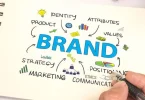


Starting a business is exciting, but building a strong brand is what separates successful startups from the rest. A brand strategy for startups is more than just a logo or a tagline; it’s the foundation of your business identity. With a clear strategy, your startup can attract the right audience, build trust, and achieve long-term growth.
In this guide, we will cover everything you need to know about creating an effective brand strategy for your startup.
What is a Brand Strategy

A brand strategy is a long-term plan for the development of a successful brand in order to achieve specific goals. For startups, it defines how your company communicates its values, mission, and vision to your target audience. A strong brand strategy can help you stand out in a crowded market, build customer loyalty, increase perceived value, and drive growth and revenue. Your brand is not just your logo; it’s the total experience your customers have with your company.
Why Startups Need a Brand Strategy
Many startups focus solely on products or services and overlook branding. However, without a clear brand strategy, even the best ideas can fail to gain traction.
Differentiation
In competitive markets, a startup’s brand is what sets it apart. A strong brand tells customers why they should choose you over competitors.
Trust and Credibility
Customers are more likely to buy from brands they trust. A consistent brand strategy builds credibility and reliability over time.
Emotional Connection
A brand can connect with customers on an emotional level. This connection encourages loyalty, repeat purchases, and word-of-mouth marketing.
Long-term Growth
Startups with a well-defined brand strategy are better positioned to scale and expand into new markets.
Key Elements of a Brand Strategy for Startups
Creating a successful brand strategy for startups requires careful planning and execution.
Brand Purpose and Mission
Start by defining why your startup exists. What problem are you solving? Your brand mission should guide every business decision and inspire your team and customers.
Target Audience
Identify your ideal customers. Understanding your audience’s demographics, interests, and pain points will help you craft messages that resonate.
Unique Value Proposition
Your unique value proposition communicates why your product or service is better than competitors’. It should be clear, concise, and memorable.
Brand Personality
Decide how your brand will speak to the audience. Is it friendly, professional, quirky, or innovative? A consistent personality makes your brand relatable.
Visual Identity
This includes your logo, color palette, typography, and design style. Visual consistency helps customers recognize your brand instantly.
Brand Voice and Messaging
Define your tone, language, and key messages. Every social media post, email, or advertisement should reflect your brand’s voice.
Brand Experience
Branding is not only visual or verbal; it’s experiential. Every customer interaction—website, packaging, customer service—shapes how your brand is perceived.
Steps to Build a Brand Strategy for Startups
Implementing a brand strategy for startups involves practical steps.

Research Your Market
Analyze competitors, market trends, and customer preferences. This research will inform your brand positioning and help you identify gaps in the market.
Define Your Brand Core
Clarify your brand’s mission, vision, values, and unique value proposition. This core will guide all future branding decisions.
Design Your Visual Identity
Hire a designer or use online tools to create a logo, color scheme, and typography. Ensure they reflect your brand personality.
Craft Your Brand Voice
Develop messaging guidelines that define tone, style, and key messages. Make sure all communication is consistent across platforms.
Build an Online Presence
Create a professional website and social media profiles. Optimize for user experience and align content with your brand strategy.
Promote Your Brand
Use marketing strategies like content marketing, social media campaigns, and influencer collaborations to introduce your brand to the target audience.
Monitor and Adapt
Track brand performance using metrics like engagement, customer feedback, and sales. Adjust your strategy as your startup grows.
You may also like to read these posts:
Brand Strategy Framework: Build a Winning Brand
Marketing Growth Strategies: Boost Your Business
How to Grow a Business with Marketing Successfully
Brand Strategy for Startups: Build Your Business Identity
Common Mistakes Startups Make in Branding
Even with the best intentions, startups can make branding mistakes. Ignoring target audience research, inconsistent messaging across platforms, focusing only on the logo instead of the overall brand experience, copying competitors instead of being unique, and neglecting long-term brand planning can all hurt your startup’s growth. Avoiding these mistakes ensures your brand strategy remains strong and effective.
Examples of Successful Startup Branding
Many startups have thrived because of strong branding. Airbnb focused on community and belonging, not just accommodations. Slack built a friendly, approachable brand voice in a B2B market. Dollar Shave Club used humor and relatable messaging to disrupt an industry. These examples show how a clear brand strategy can drive growth and recognition.
Measuring the Success of Your Brand Strategy
To know if your brand strategy for startups is working, track brand awareness to see if more people are recognizing your brand, customer engagement to measure interactions with your content, sales growth to check if your brand strategy contributes to revenue, and customer loyalty to see if customers are returning and recommending your brand. Metrics help refine your strategy for better results.
Frequently Asked Questions
What is the most important part of a brand strategy for startups?
The most important part is a clear brand purpose and value proposition, which guide all decisions and communications.
How long does it take to build a strong brand?
Branding is ongoing, but consistent effort over 6–12 months can create significant recognition and loyalty.
Can a small startup afford professional branding?
Yes, startups can use cost-effective tools and freelancers to create strong branding without huge budgets.
How often should a brand strategy be updated?
Brand strategies should be reviewed annually or when business goals, products, or markets change significantly.
Is branding only about the logo?
No, branding includes your mission, voice, visuals, customer experience, and how people perceive your startup overall.
Conclusion
A strong brand strategy for startups is not optional—it’s essential. From defining your mission to designing your visual identity, every element matters. With a clear strategy, your startup can build credibility, connect emotionally with customers, and achieve long-term growth. Start early, stay consistent, and evolve as your business grows.