Introduction
Skin health plays a major role in overall appearance and confidence. Whether you have dry, oily, sensitive, or combination skin, choosing the right skin care products can make a significant difference in maintaining a healthy complexion. Modern lifestyles expose the skin to pollution, sunlight, stress, and environmental damage, making proper skin care more important than ever.
Many people purchase products without understanding their ingredients, purpose, or suitability for their skin type. As a result, they often experience irritation, breakouts, or disappointing results. A well-planned skincare routine supported by quality skin care products can help address common concerns such as acne, dullness, dryness, pigmentation, and premature aging.
Today, the skincare industry offers a wide variety of cleansers, moisturizers, serums, sunscreens, masks, and treatments. While having options is beneficial, it can also make product selection confusing for beginners. Understanding how products work and when to use them is essential for achieving the best results.
This guide explains everything you need to know about skin care products, including their importance, benefits, proper usage, common mistakes, and expert recommendations. Whether you are starting your skincare journey or improving an existing routine, this article will help you make informed decisions for healthier and more radiant skin.
What is Skin Care Products?
Skin care products are specially formulated items designed to cleanse, protect, nourish, and improve the condition of the skin. These products contain various ingredients that target specific skin concerns and support overall skin health.
Examples of common skin care products include:
- Cleansers
- Moisturizers
- Sunscreens
- Serums
- Toners
- Face masks
- Exfoliators
- Eye creams
Each product serves a unique purpose within a skincare routine. Some focus on hydration, while others address acne, aging, pigmentation, or sun protection.
Using appropriate skin care products consistently helps maintain healthy skin and prevent future skin problems.
Why is Skin Care Products Important?
Skin is the body’s largest organ and acts as a protective barrier against environmental factors. Proper skincare helps maintain this barrier and keeps the skin functioning effectively.
Skin care products are important because they:
- Remove dirt, oil, and impurities
- Protect against sun damage
- Improve skin hydration
- Support skin repair processes
- Reduce signs of aging
- Help manage acne and blemishes
- Improve overall skin texture
Without proper skincare, the skin may become dry, irritated, congested, or prone to premature aging. Consistent use of suitable products can help maintain a healthy and youthful appearance.
Detailed Step-by-Step Guide
Step 1: Identify Your Skin Type
Before purchasing any product, determine your skin type.
Common skin types include:
- Oily skin
- Dry skin
- Combination skin
- Sensitive skin
- Normal skin
Understanding your skin type helps you choose products that meet your specific needs.
Step 2: Choose a Gentle Cleanser
Cleansing removes dirt, oil, makeup, and pollutants accumulated throughout the day.
Look for:
- Hydrating cleansers for dry skin
- Oil-control cleansers for oily skin
- Fragrance-free cleansers for sensitive skin
Wash your face twice daily for best results.
Step 3: Use a Toner if Needed
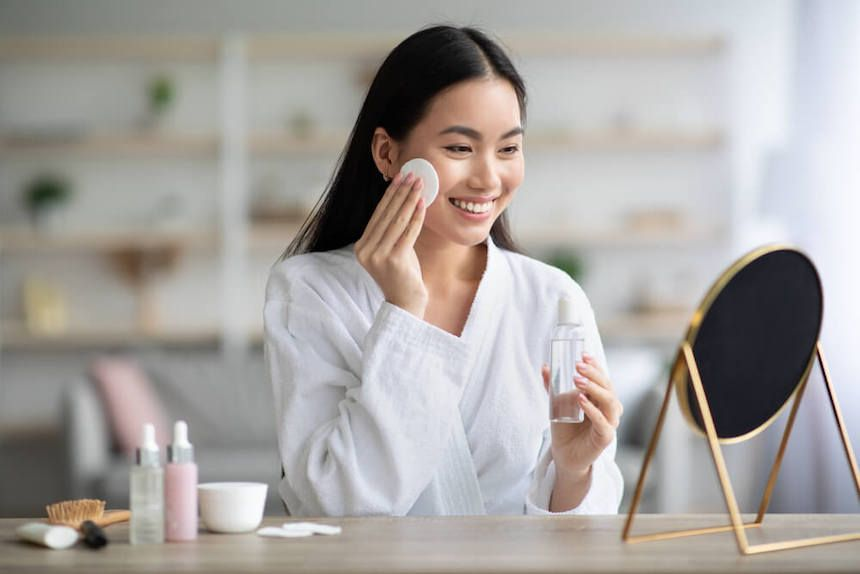
Toners help refresh the skin and prepare it for additional products.
Benefits of toners include:
- Balancing skin
- Removing leftover impurities
- Supporting hydration
Choose alcohol-free formulas to avoid excessive dryness.
Step 4: Apply a Targeted Serum
Serums contain concentrated ingredients designed to address specific concerns.
Popular serum ingredients include:
- Vitamin C for brightness
- Hyaluronic acid for hydration
- Niacinamide for oil control
- Retinol for aging concerns
Apply serum after cleansing and before moisturizing.
Step 5: Moisturize Daily
Moisturizers help lock in hydration and strengthen the skin barrier.
Choose:
- Lightweight formulas for oily skin
- Rich creams for dry skin
- Non-comedogenic options for acne-prone skin
Daily moisturizing supports smoother and healthier skin.
Step 6: Never Skip Sunscreen
Sunscreen is one of the most important skin care products.
Benefits include:
- Protection from UV damage
- Prevention of premature aging
- Reduction of pigmentation
- Lower risk of sun-related skin damage
Use broad-spectrum sunscreen every day, even indoors.
Step 7: Exfoliate Carefully
Exfoliation removes dead skin cells and improves skin texture.
Recommended frequency:
- One to three times weekly
Over-exfoliation may cause irritation and sensitivity.
Step 8: Use Face Masks Occasionally
Face masks provide additional skin benefits.
Examples include:
- Clay masks for oily skin
- Hydrating masks for dry skin
- Brightening masks for dull skin
Masks can complement a regular skincare routine.
Step 9: Maintain Consistency
Even the best skin care products require consistent use.
Results often take several weeks to become noticeable. Patience and routine are essential for long-term improvement.
Step 10: Monitor Product Reactions
Pay attention to how your skin responds.
If irritation, redness, or discomfort occurs, discontinue use and evaluate the ingredients.
Patch testing new products can help avoid adverse reactions.
Benefits of Skin Care Products
Using suitable skin care products offers numerous advantages.
- Improves skin hydration
- Helps maintain a healthy skin barrier
- Reduces acne and blemishes
- Supports smoother skin texture
- Improves skin brightness
- Protects against environmental damage
- Helps reduce signs of aging
- Enhances overall appearance
- Promotes skin comfort
- Supports long-term skin health
A consistent skincare routine contributes to healthier and more balanced skin over time.
Disadvantages / Risks
While skincare can be beneficial, improper use may lead to issues.
- Allergic reactions to certain ingredients
- Skin irritation from strong formulations
- Over-exfoliation causing sensitivity
- Product incompatibility
- Increased costs from unnecessary purchases
- Temporary breakouts during product adjustment
Understanding ingredients and introducing products gradually can reduce these risks.
Common Mistakes to Avoid
Using Too Many Products
Many people assume more products produce better results.
However, excessive layering may irritate the skin and complicate routines.
Skipping Sunscreen
Ignoring sun protection can lead to pigmentation and premature aging.
Daily sunscreen use remains essential regardless of weather conditions.
Changing Products Frequently
Switching products too often prevents proper evaluation.
Allow enough time for products to demonstrate results.
Ignoring Skin Type
Products suitable for one skin type may not work for another.
Always select products based on individual needs.
Over-Exfoliating
Frequent exfoliation can damage the skin barrier and increase sensitivity.
Moderation is important.
Not Removing Makeup Properly
Sleeping with makeup can clog pores and contribute to breakouts.
Always cleanse thoroughly before bedtime.
FAQs
1. What are the most important skin care products for beginners?
A basic routine typically includes a cleanser, moisturizer, and sunscreen. These three products provide a strong foundation for healthy skin.
2. How often should skin care products be used?
Most products such as cleansers, moisturizers, and sunscreens are used daily. Exfoliators and masks should be used less frequently according to product instructions.
3. Can skin care products remove acne completely?
Some products help manage acne and reduce breakouts. However, severe acne may require professional treatment and personalized recommendations.
4. How long does it take to see results?
Results vary depending on the product and skin concern. Many people notice improvements within several weeks of consistent use.
5. Are expensive products always better?
Higher prices do not always guarantee better performance. Ingredient quality, formulation, and suitability matter more than cost alone.
6. Can different skin care products be combined?
Many products can be combined safely. However, certain active ingredients may cause irritation when used together. Research and gradual introduction are recommended.
7. Is sunscreen necessary indoors?
Yes. Sunlight can enter through windows, and daily sunscreen use helps protect the skin from cumulative UV exposure.
Expert Tips & Bonus Points
Follow these expert recommendations to maximize skincare results:
- Start with a simple routine before adding advanced products.
- Introduce one new product at a time.
- Read ingredient labels carefully.
- Store products according to manufacturer recommendations.
- Stay hydrated throughout the day.
- Maintain a balanced diet rich in nutrients.
- Avoid touching your face unnecessarily.
- Replace expired products promptly.
Bonus tips:
- Use lukewarm water instead of hot water while cleansing.
- Wash pillowcases regularly to reduce bacteria buildup.
- Apply skincare products in the correct order.
- Be patient and focus on consistency rather than instant results.
Healthy skin often reflects long-term habits rather than short-term solutions. Small daily efforts can produce noticeable improvements over time.
Conclusion
Skin care products play an essential role in maintaining healthy, comfortable, and attractive skin. From cleansing and moisturizing to sun protection and targeted treatments, each product serves a specific purpose within an effective skincare routine. Understanding your skin type and selecting suitable products are the first steps toward achieving better skin health.
Many people feel overwhelmed by the number of products available today. However, skincare does not need to be complicated. A simple routine built around quality skin care products can address many common concerns while supporting long-term skin wellness. Consistency, patience, and informed choices often produce better outcomes than constantly changing products or following short-term trends.
It is also important to remember that skincare is highly personal. What works for one individual may not work for another. Paying attention to your skin’s needs and adjusting products accordingly can help create a routine that delivers lasting benefits.
Whether your goal is hydration, acne control, anti-aging support, or overall skin maintenance, choosing the right skin care products can make a significant difference. By following the guidance outlined in this article, beginners and intermediate users can build an effective skincare routine that promotes healthier, smoother, and more radiant skin for years to come.