
Introduction
Luxury fashion has always represented elegance, craftsmanship, and exclusivity. It is more than simply wearing expensive clothing or carrying a premium handbag. Luxury fashion reflects personal style, attention to detail, and appreciation for high-quality products. Over the years, it has evolved from being available only to a select group of people into a global industry that attracts consumers from different backgrounds.
Today, luxury fashion influences trends across the entire fashion world. Designers introduce innovative ideas, premium materials, and exceptional craftsmanship that often inspire mainstream brands. As a result, luxury fashion continues to set standards for creativity and quality.
For beginners, entering the world of luxury fashion can seem overwhelming. With so many brands, products, and trends available, it can be difficult to know where to start. Understanding the fundamentals helps consumers make smarter purchasing decisions while appreciating the value behind luxury products.
This guide explores everything you need to know about luxury fashion, including its meaning, importance, benefits, risks, and practical strategies for building a stylish wardrobe. Whether you are interested in fashion as a hobby or considering your first luxury purchase, this article will help you navigate the industry with confidence.
What is Luxury Fashion?
Luxury fashion refers to high-end clothing, accessories, footwear, and lifestyle products created with exceptional quality, craftsmanship, and design. These products are often produced using premium materials and are associated with prestige and exclusivity.
Unlike fast fashion, luxury fashion focuses on durability, attention to detail, and timeless appeal. Many luxury products are handcrafted by skilled artisans who spend significant time perfecting every piece.
Luxury fashion includes a wide range of items such as designer clothing, handbags, watches, jewelry, shoes, and accessories. Consumers often choose these products because they offer superior quality and unique design elements that distinguish them from mass-produced alternatives.
Why is Luxury Fashion Important?
Luxury fashion plays a significant role in the global fashion industry. It drives innovation by encouraging designers to experiment with new techniques, materials, and creative concepts.
It also supports traditional craftsmanship. Many luxury brands preserve skills that have been passed down through generations, ensuring that valuable artistic techniques continue to thrive.
In addition, luxury fashion contributes to economic growth by creating employment opportunities across manufacturing, retail, marketing, and design sectors.
For consumers, luxury fashion offers more than appearance. It provides confidence, self-expression, and a sense of individuality. Many people invest in luxury pieces because they appreciate quality and long-term value rather than temporary trends.
Detailed Step-by-Step Guide
Step 1: Understand Your Personal Style
Before purchasing luxury fashion items, identify your personal preferences. Consider the colors, designs, and silhouettes that suit your lifestyle.
A clear understanding of your style prevents unnecessary purchases and helps build a wardrobe that remains useful for years.
Step 2: Research Luxury Brands
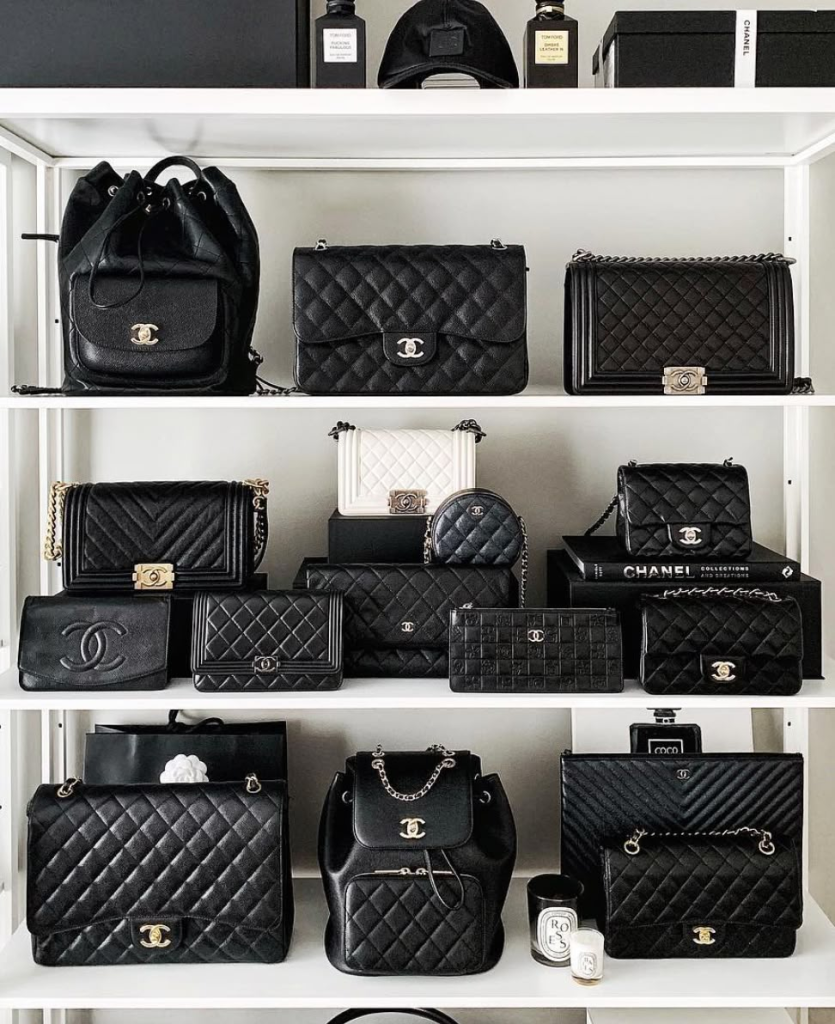
Spend time learning about different luxury brands and their specialties. Some are known for handbags, while others excel in tailoring, footwear, or jewelry.
Researching brand history, craftsmanship, and reputation allows you to make informed decisions.
Step 3: Set a Realistic Budget
Luxury fashion products often come with premium price tags. Establish a budget before shopping to avoid overspending.
A planned budget helps you focus on pieces that provide genuine value rather than making impulsive purchases.
Step 4: Prioritize Timeless Pieces
Classic items generally offer better long-term value than highly trendy products.
Examples include structured handbags, tailored blazers, elegant watches, and neutral-colored shoes that can be styled in multiple ways.
Step 5: Evaluate Quality Carefully
Inspect materials, stitching, hardware, and overall construction.
High-quality luxury fashion products typically demonstrate excellent craftsmanship and attention to detail.
Step 6: Purchase from Trusted Sources
Always buy from authorized retailers or reputable sellers.
This reduces the risk of purchasing counterfeit products and ensures authenticity.
Step 7: Maintain Your Luxury Items
Proper care extends the lifespan of luxury products.
Store items correctly, clean them according to manufacturer recommendations, and protect them from unnecessary wear.
Benefits of Luxury Fashion
- Exceptional craftsmanship and attention to detail
- High-quality materials that often last longer
- Timeless designs that remain stylish for years
- Greater confidence and personal expression
- Strong brand heritage and storytelling
- Better durability compared to many mass-market products
- Potential resale value for selected items
- Enhanced wardrobe versatility through classic pieces
- Access to exclusive collections and limited editions
- Appreciation for artistic and creative design
Disadvantages / Risks
- Higher purchase costs compared to standard fashion
- Risk of counterfeit products in the market
- Some consumers may overspend beyond their budget
- Trends can influence purchasing decisions unnecessarily
- Maintenance and repair costs may be significant
- Certain products may lose resale value over time
- Brand popularity can sometimes overshadow actual quality
- Limited availability of exclusive items
Common Mistakes to Avoid
One common mistake is purchasing luxury fashion solely because of a logo. While branding is important, quality and personal preference should remain the primary factors.
Another mistake is following every trend. Trends change quickly, but timeless pieces continue to offer value and versatility.
Many beginners also fail to research products before purchasing. Understanding materials, craftsmanship, and brand reputation helps avoid disappointment.
Ignoring maintenance requirements is another costly error. Luxury items require proper care to maintain their appearance and durability.
Some shoppers overspend without creating a long-term wardrobe strategy. Building a luxury collection gradually often produces better results than making impulsive purchases.
Finally, buying from unreliable sources increases the risk of receiving counterfeit products. Authenticity should always be verified before completing a purchase.
FAQs
1. What makes luxury fashion different from regular fashion?
Luxury fashion focuses on premium materials, exceptional craftsmanship, exclusivity, and long-term quality. Regular fashion often prioritizes affordability and mass production.
2. Is luxury fashion worth the investment?
It depends on individual priorities. Many luxury products offer durability, timeless design, and superior craftsmanship, making them valuable for consumers who appreciate quality.
3. How can beginners start buying luxury fashion?
Start with versatile and timeless pieces that match your personal style. Research brands carefully and set a realistic budget before making purchases.
4. How can I identify authentic luxury products?
Check official documentation, product details, serial numbers, packaging, and purchase sources. Buying from authorized retailers significantly reduces risks.
5. Does luxury fashion always retain value?
Not all luxury products maintain value. Certain limited editions and iconic designs may perform better in the resale market than seasonal items.
6. Why are luxury fashion products expensive?
Higher costs often result from premium materials, skilled craftsmanship, research, design development, limited production, and brand heritage.
7. Can luxury fashion be sustainable?
Many luxury brands are increasingly adopting sustainable practices, including responsible sourcing, ethical manufacturing, and environmentally friendly materials.
8. How should luxury fashion items be stored?
Store products in clean, dry environments using protective covers when necessary. Proper storage helps preserve quality and appearance.
Expert Tips & Bonus Points
Focus on building a collection rather than chasing trends. Carefully selected pieces often provide greater satisfaction and long-term value.
Invest in neutral colors first. These items are easier to combine with existing wardrobe pieces and offer greater versatility.
Pay attention to craftsmanship rather than marketing alone. Understanding construction quality helps identify products that genuinely deserve their price.
Keep purchase records and authenticity documentation. These can be valuable for insurance purposes or future resale opportunities.
Consider cost per wear instead of initial price alone. A well-made item used regularly may offer better value than several lower-quality alternatives.
Stay informed about industry developments, emerging designers, and evolving consumer preferences. Knowledge often leads to smarter purchasing decisions.
Most importantly, choose luxury fashion that reflects your personality. Authentic style always creates a stronger impression than simply following popular trends.
Conclusion
Luxury fashion represents far more than premium pricing and recognizable branding. It embodies craftsmanship, creativity, quality, and personal expression. By focusing on exceptional materials and timeless design, luxury fashion continues to influence global style trends while preserving traditional artisan skills.
For beginners, understanding the fundamentals is essential before making purchases. Research, budgeting, and careful product evaluation help ensure that investments align with personal goals and preferences. Rather than chasing every new trend, building a thoughtful collection of versatile pieces often delivers greater satisfaction and long-term value.
Although luxury fashion offers many benefits, including durability, exclusivity, and confidence, consumers should remain aware of potential risks such as counterfeits and unnecessary spending. Smart decision-making and proper maintenance play important roles in maximizing value.
As the industry continues to evolve, luxury fashion remains a symbol of elegance and innovation. Whether you are purchasing your first designer accessory or expanding an existing collection, a focus on quality, authenticity, and personal style will help you make choices that stand the test of time. By approaching luxury fashion with knowledge and confidence, you can enjoy both its practical advantages and its enduring appeal.